ERP Project Management Done Right: Why Outcomes Matter More Than Methodology

ERP projects rarely fail because the software was wrong. They struggle because ownership quietly becomes unclear once the work begins.
Most organizations enter an ERP project believing that hiring the right partner means the project is now effectively managed. A project manager is assigned, a timeline is produced, meetings are scheduled, and progress appears structured. On paper, everything looks covered.
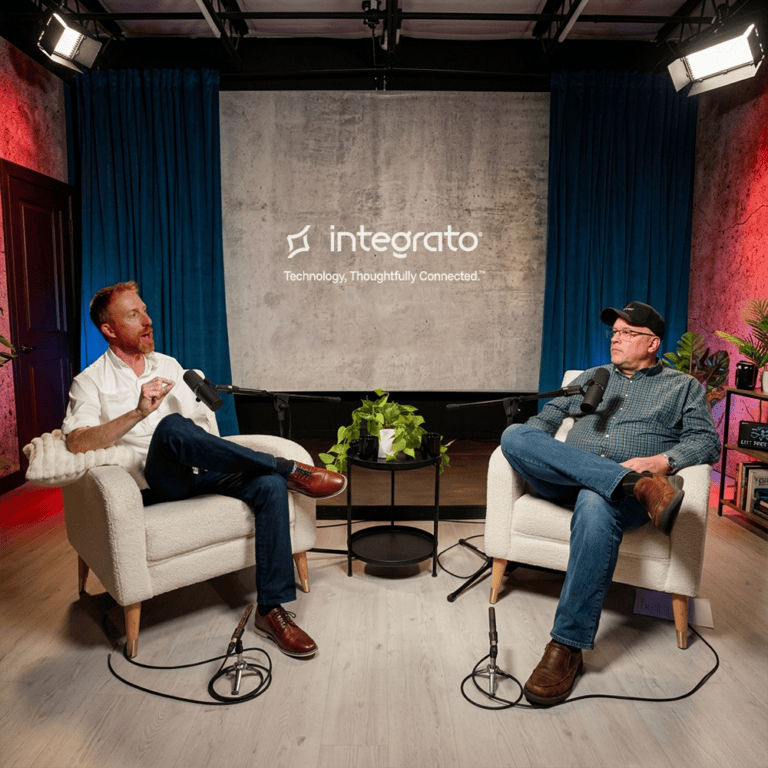
What many teams do not realize until later is that ERP implementations demand more than vendor-led coordination. They require shared ownership. And the projects that succeed almost always have two project managers working in parallel, even if only one of those roles is formally named.
One project manager represents the implementation partner. The other represents the client organization.
When this balance is missing, projects do not usually collapse in dramatic fashion. They drift.
Workshops get postponed because operational priorities take over. Training gets shortened because “we will figure it out later.” User acceptance testing becomes a checkbox activity instead of a learning process. Decisions linger because no one internally feels empowered to make them final.
None of these moments feel like failure at the time. They feel reasonable. Understandable. Temporary. But compounded across weeks and months, they change the trajectory of the project.
An implementation project manager can flag these risks, but they cannot fix them alone.
The role of the implementation project manager is to bring structure and momentum. They manage scope, coordinate resources, surface risks, and guide the team toward the outcomes that were agreed upon early in the project. A strong implementation PM understands where ERP projects typically struggle and helps the client avoid obvious pitfalls.
What they cannot do is manage accountability inside an organization they do not control.
They cannot require internal teams to attend training. They cannot force decisions to be made. They cannot reprioritize someone’s day job to make space for ERP work. That authority has to live on the client side.
This is where the client-side project manager, or executive stakeholder acting in that role, becomes essential.
This person is not there to manage the partner. They are there to manage the organization’s commitment to the project. They ensure that internal teams show up prepared, that feedback is provided on time, and that learning and testing are treated as real responsibilities rather than optional tasks.
When this role is clearly defined, behavior changes. Teams understand that ERP work is not something happening around them, but something they are actively responsible for.
When this role is absent, progress depends on goodwill and availability. That is rarely enough for a project that touches every part of the business.
User training and acceptance testing are where this difference becomes most visible.
These phases are often underestimated because they do not feel productive in the traditional sense. People want to see configuration completed and data migrated. Learning takes time, and testing surfaces uncomfortable gaps.
Without internal accountability, these activities are rushed or deprioritized. The result is a system that technically works, but one that users do not trust or fully understand at go-live.
That lack of confidence then drives increased support needs, resistance to new processes, and frustration that lingers long after the project officially ends.
Change orders often enter the conversation at this point, and they are usually framed as an unexpected cost.
In reality, many change orders are the downstream effect of delayed engagement. Requirements that surface late, assumptions that were never validated, and data issues that were postponed all require additional effort to resolve.
Projects with clear dual ownership tend to surface these issues earlier, when adjustments are smaller and less disruptive. Change orders still happen, but they feel like informed decisions rather than unpleasant surprises.
This is why ERP project management is less about methodology and more about responsibility.
You can follow the same framework, use the same tools, and hold the same meetings, yet experience very different outcomes depending on whether accountability is shared.
The most successful ERP projects feel collaborative rather than adversarial. Conversations are direct. Risks are discussed openly. Decisions are made with an understanding of trade-offs.
That environment does not emerge by accident. It is created when both sides understand their role in the outcome.
Before an ERP project begins, leadership should be clear about who owns the project internally. Not just who attends meetings, but who is responsible for ensuring the organization follows through.
This does not require a full-time role in every case. It does require authority, visibility, and executive support.
When that clarity exists, ERP projects become more predictable. Timelines hold better. Frustration is reduced. The implementation feels manageable rather than overwhelming.
At Integrato, we are transparent about this shared responsibility from the very beginning. Our project managers focus on structure, communication, and forward progress. We encourage our clients to designate an internal project owner who can represent the organization and keep teams accountable.
That clarity sets the tone for the entire engagement.
ERP projects succeed when ownership is explicit.
They do not require perfection, but they do require commitment on both sides of the table. When organizations recognize the need for two project managers, ERP implementations stop feeling like something that happens to them and start becoming something they actively lead.
That shift is often the difference between a system that simply goes live and one that truly supports the business long term.